
Why Fashion Brands in Korea Are Expanding Into Food and Hospitality
11th November 2025 | Korea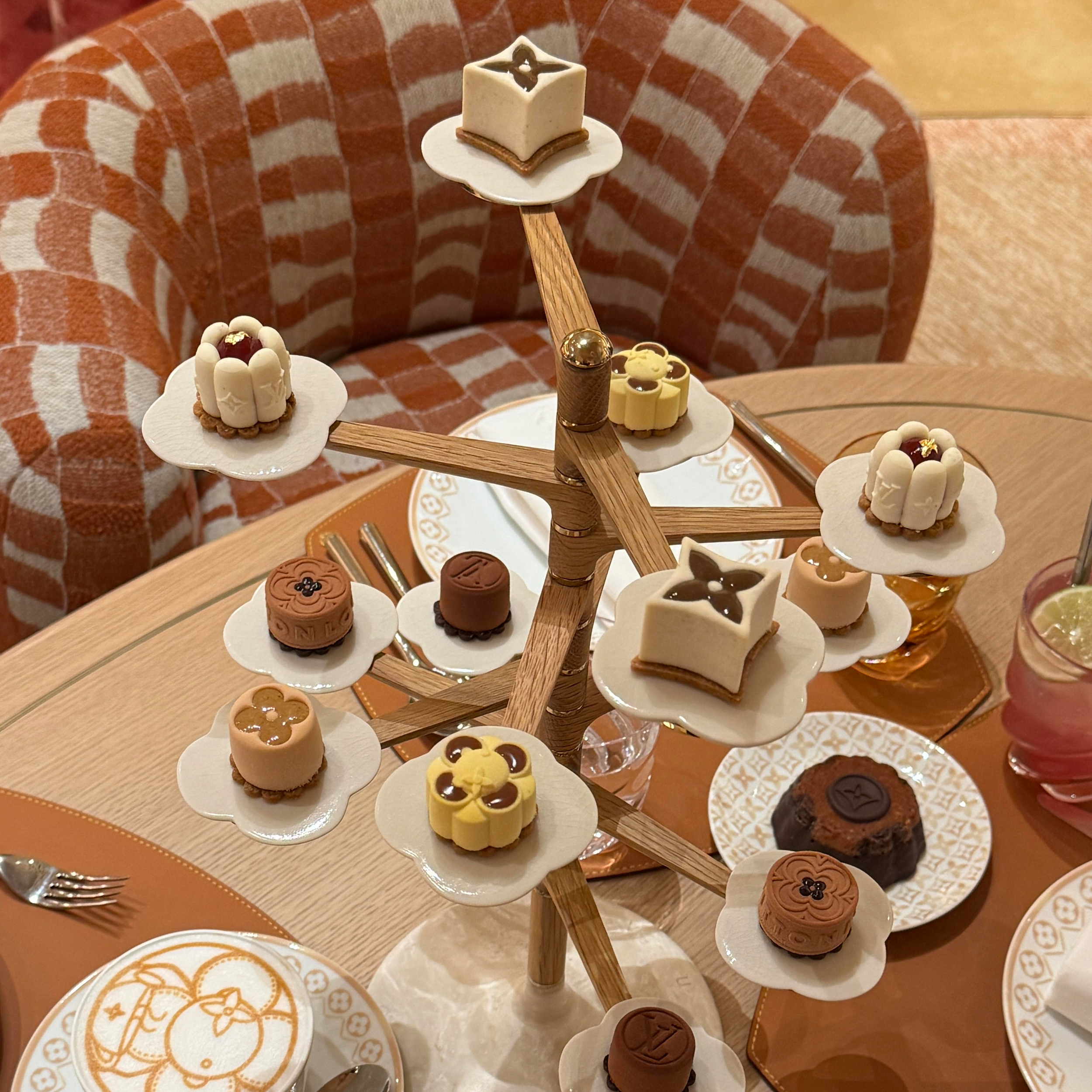
© Louis Vuitton Cafe, Seoul
A new trend is reshaping the relationship between fashion and consumers in South Korea: brands are increasingly expressing their identity not only through clothing and accessories, but also through food, beverages and hospitality experiences.
From luxury fashion houses to sportswear brands, companies are introducing cafés, restaurants and culinary concepts as extensions of their brand world. These spaces are not simply designed to increase store traffic; they reflect a broader shift in how modern consumers discover, understand and connect with brands.
In Korea’s highly competitive consumer market, where aesthetics, culture and experience play an important role in purchasing decisions, food has become a powerful tool for brand storytelling.
Food as a New Form of Brand Expression
Fashion has always been connected to lifestyle. However, leading brands are increasingly recognising that consumers experience brands through multiple senses, not only through visual design.
A signature dessert, a carefully designed café interior or a unique dining concept can communicate the same values as a fashion collection: craftsmanship, creativity, heritage and innovation.
This has encouraged fashion houses to view food and beverage not as a separate business category, but as another medium through which they can express their identity.
Luxury brands have been particularly active in developing hospitality concepts that reflect their wider creative vision. Restaurants, cafés and culinary collaborations allow brands to introduce their aesthetics and philosophy to customers in a more relaxed and immersive environment.
Korea’s Appetite for Lifestyle Concepts
South Korea has become an influential market for experience-driven consumption, where consumers increasingly seek products and spaces that combine quality with cultural relevance.
The popularity of concept cafés, design-led restaurants and brand collaborations demonstrates the importance of atmosphere and storytelling within Korean consumer culture.
For fashion brands, hospitality creates an opportunity to engage customers beyond traditional shopping occasions. A customer may visit a café, experience the brand environment and develop a stronger connection with the brand before ever purchasing a fashion item.
This approach is particularly relevant among younger consumers, who often discover brands through social media, cultural experiences and recommendations rather than traditional advertising.
Luxury Fashion Houses Build Culinary Extensions
Global luxury brands have led the movement by creating hospitality spaces that combine fashion, design and gastronomy.
Louis Vuitton has developed experiential concepts that combine exhibitions, retail and dining, reinforcing the brand’s position as a cultural house rather than simply a fashion label.
Gucci Osteria Seoul represents the fashion house’s approach to combining Italian culinary heritage with its creative identity. Other luxury brands, including Hermès and Dior, have also introduced café concepts in Seoul, reflecting the growing connection between luxury, hospitality and lifestyle.
These examples demonstrate how food can become part of a wider brand ecosystem.
The Trend Moves Beyond Luxury
The integration of food and beverage is not limited to heritage luxury houses.
Sportswear and contemporary fashion brands are also using cafés, exhibitions and cultural spaces to strengthen relationships with consumers.
Adidas has explored lifestyle concepts in Seoul that combine beverages, community events and creative programming. Zara has also experimented with café concepts, reflecting the broader movement towards combining retail with lifestyle experiences.
Korean brands are following similar paths. Musinsa has incorporated food and cultural collaborations into its physical spaces, creating environments where fashion connects with local communities and emerging trends.
Why Food Works as a Brand Connector
Food has a unique ability to create emotional connections.
Unlike fashion purchases, which may happen occasionally, food and beverage experiences encourage frequent interaction. A café visit can become part of a consumer’s routine, creating repeated opportunities for brand exposure.
Food also provides a natural platform for collaboration. Ingredients, flavours, packaging and presentation can all become part of a brand narrative, allowing companies to create experiences that feel authentic and memorable.
This is particularly valuable in markets such as Korea, where consumers are highly responsive to innovation, aesthetics and new cultural experiences.
The Future of Fashion Is Becoming More Multidimensional
The growing relationship between fashion and food reflects a larger evolution in global branding.
The strongest brands today are no longer defined by a single product category. Instead, they create complete worlds that consumers can enter, experience and share.
In Korea, where fashion, design, food culture and social experiences are closely interconnected, this trend is likely to continue expanding.
As brands search for new ways to build deeper relationships with consumers, food is becoming more than a supporting element. It is becoming a powerful expression of identity, creativity and culture.
We work with European suppliers of high-quality ingredients, heritage food and beverage brands, and innovative nutritional solutions. If you would like to explore opportunities to introduce your products to markets across Asia, please get in touch with us via the Contact Us page.