
Korea’s Luxury Dessert Boom Reveals a New Era of Premium Food Experiences
6th July 2026 | Korea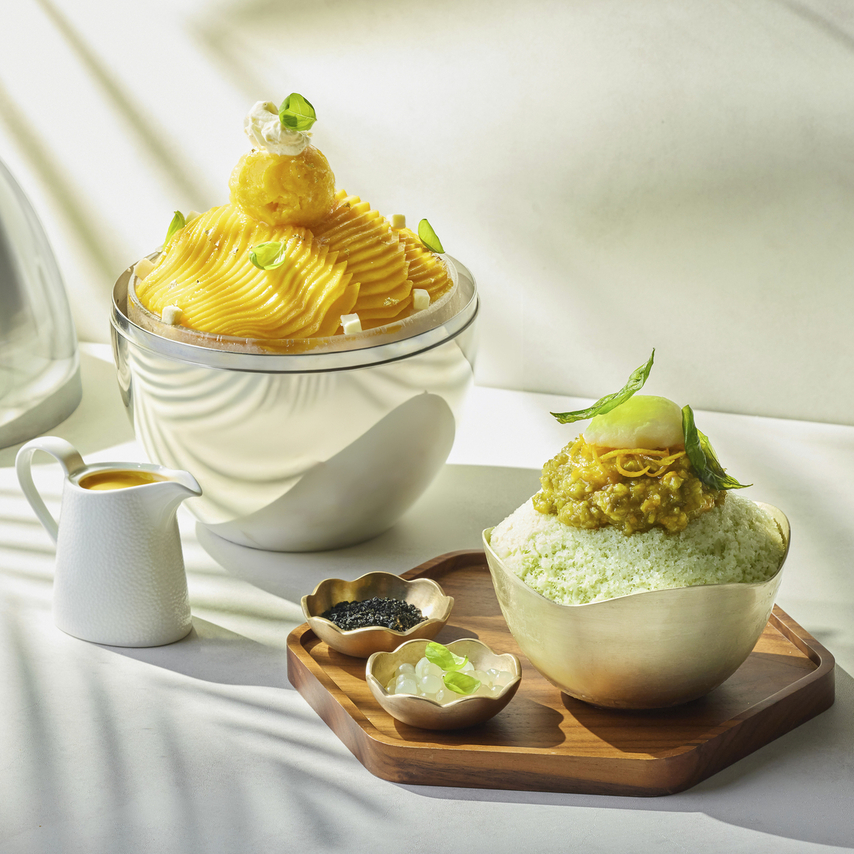
© Citron Basil Bingsu at the Sofitel Ambassador Seoul.
A bowl of shaved ice may appear to be a simple seasonal dessert, but South Korea’s evolving bingsu market demonstrates how traditional food categories are being transformed into premium lifestyle experiences.
Every summer, luxury hotels across Seoul introduce limited-edition bingsu creations featuring premium fruits, artisanal ingredients, innovative presentations and carefully curated pairings. Prices that once would have seemed unexpected for a dessert have become accepted by consumers seeking unique experiences rather than everyday consumption.
The phenomenon reflects a broader transformation taking place across Korea’s food and beverage sector: the growing importance of experience, storytelling and emotional connection in determining consumer value.
From Traditional Dessert to Premium Experience
Bingsu has long been part of Korean summer culture, traditionally enjoyed as a refreshing treat shared with family and friends. However, the modern premium version has evolved far beyond its original form.
Luxury hospitality brands have reimagined bingsu through carefully selected ingredients, artistic presentation and seasonal concepts. The dessert has become an occasion in itself, combining culinary craftsmanship with the atmosphere of a luxury environment.
This evolution reflects a wider movement within the food industry, where familiar products are being elevated through innovation, design and storytelling.
Why Consumers Continue to Spend on Premium Experiences
South Korea’s consumers are highly discerning, with strong expectations around quality, aesthetics and brand reputation. While economic uncertainty has encouraged more cautious spending in many areas, demand remains strong for experiences perceived as meaningful or memorable.
Premium desserts represent a relatively accessible form of luxury. Compared with larger luxury purchases, they allow consumers to enjoy exceptional products, visit prestigious locations and share experiences with others.
This has contributed to the continued growth of what can be described as "small luxury" consumption: carefully chosen purchases that provide personal enjoyment and social value.
The Growing Importance of Ingredient Stories
As food categories become increasingly competitive, differentiation is becoming more closely connected to authenticity and provenance.
Consumers are showing greater interest in the origin of ingredients, production methods and the craftsmanship behind products. A premium ingredient is no longer valued only for its taste; its background, heritage and production story increasingly contribute to perceived value.
This creates opportunities for producers around the world with distinctive agricultural traditions, specialised expertise and unique product identities.
Presentation Has Become Part of the Product
In Korea’s highly digital consumer environment, visual appeal has become an essential element of food culture.
The appearance of a dish, the design of packaging and the overall experience surrounding consumption can significantly influence consumer interest. Social media has amplified this trend, allowing individual dining experiences to become powerful forms of brand communication.
However, aesthetics alone are not enough. Successful premium products combine visual appeal with genuine quality, creating experiences that satisfy both emotional and functional expectations.
Seasonal Innovation Creates Consumer Anticipation
Limited-time offerings have become an important strategy within Korea’s premium food market.
Seasonal desserts, beverages and dining concepts encourage consumers to return regularly while creating a sense of excitement and exclusivity. The temporary nature of these products increases their appeal and allows brands to continuously introduce new concepts.
This approach has become particularly effective in Korea, where consumers often respond positively to new experiences and carefully designed seasonal launches.
The Future of Premium Food in Korea
The evolution of luxury bingsu represents a much larger shift occurring across the Korean food and beverage landscape.
Consumers are increasingly seeking products that offer more than functional benefits. Quality, authenticity, creativity and experience are becoming essential components of premium positioning.
For international food brands, Korea represents a market where heritage, craftsmanship and innovation can resonate strongly when adapted to local preferences.
The future of premium food will not simply be defined by what consumers eat or drink, but by the stories, experiences and connections created around those products.
We work with European suppliers of high-quality ingredients, heritage food and beverage brands, and innovative nutritional solutions. If you would like to explore opportunities to introduce your products to markets across Asia, please get in touch with us via the Contact Us page.