
Why Texture Is Becoming the Next Driver of Innovation in Korea’s Food and Beverage Market
2nd June 2026 | Korea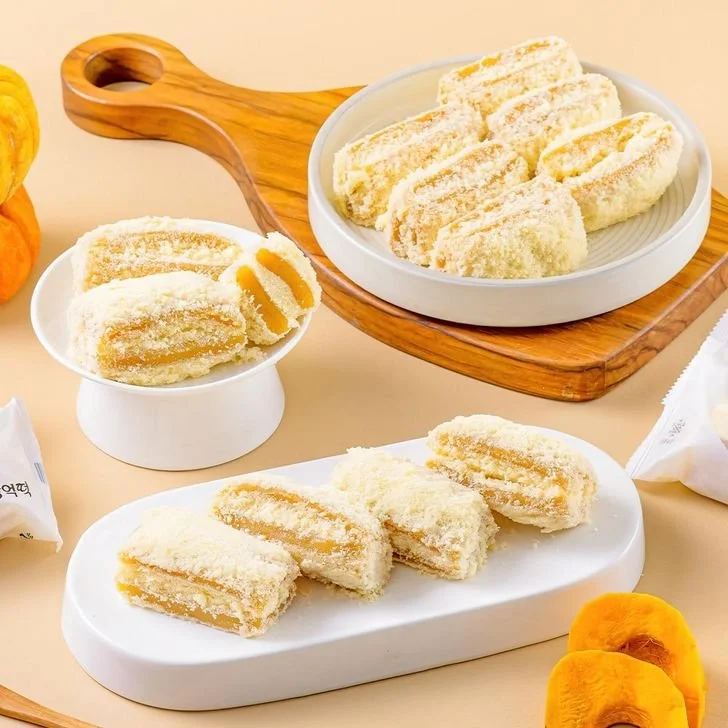
© Changeok Castella Golden Pumpkin Injeolmi
South Korea’s food and beverage industry has long been recognised for its willingness to embrace new flavours, formats and dining experiences. Increasingly, however, another element is shaping how consumers discover and evaluate products: texture.
From crispy fried coatings and chewy bakery products to creamy desserts and beverages with layered inclusions, texture is becoming an important part of the overall eating experience. As consumers seek products that offer greater sensory enjoyment, food companies are exploring new ways to create memorable experiences through mouthfeel, contrast and product design.
The growing influence of social media has further accelerated this movement, turning texture into a powerful visual and sensory element that can attract consumer attention before a product is even tasted.
Texture Has Always Been Part of Korean Food Culture
Texture is not a new concept in Korean cuisine. Traditional foods have long placed importance on contrasting textures, from the chewiness of rice cakes to the crispness of fried dishes and the freshness of seasonal ingredients.
What is changing is how texture is being applied across modern food categories.
Today’s consumers are experiencing texture through a wider range of products, including bakery items, desserts, beverages and snacks. Rather than being considered simply a characteristic of a product, texture is increasingly becoming part of the product’s identity.
The Rise of Multi-Sensory Food Experiences
Modern consumers are looking for products that deliver more than flavour alone. Texture can add surprise, satisfaction and a stronger emotional connection with food.
Products that combine contrasting textures are particularly effective. Examples include:
soft bakery products with crisp toppings;
creamy desserts paired with crunchy elements;
beverages containing chewy pearls, fruit pieces or jelly inclusions;
snacks designed around distinctive crunch or chew.
These combinations create a more engaging experience and allow brands to differentiate themselves in increasingly competitive categories.
Social Media Has Turned Texture into a Marketing Tool
Korea’s highly active digital food culture has strengthened the importance of texture in product discovery.
Short-form videos on platforms such as Instagram, YouTube Shorts and TikTok allow consumers to experience food visually before purchase. The sound of a crispy coating breaking, the stretch of melted cheese or the layered appearance of a dessert can create curiosity and encourage trial.
This has helped transform texture from a sensory characteristic into a form of digital storytelling.
Products that are visually distinctive and satisfying to watch often have a greater opportunity to attract attention in an environment where consumers are constantly exposed to new food concepts.
Texture Innovation Across Korea’s Food Categories
Texture-led innovation can now be seen across multiple areas of Korea’s food and beverage market.
Bakery and Desserts
Korean bakeries and cafés continue to experiment with soft, airy and layered textures, combining European-style bakery techniques with local preferences for freshness and visual appeal.
Cream-filled breads, croissant variations, filled pastries and seasonal desserts increasingly focus on creating contrast between textures.
Beverages
The popularity of beverages with added texture continues to influence café menus. Chewy pearls, fruit pieces, jelly toppings and other inclusions provide consumers with a more interactive drinking experience.
Snacks
Snack innovation continues to explore different forms of crunch, crispness and chewiness, with texture often becoming a key reason for consumers to select one product over another.
Seasonal and Fresh Foods
Natural textures are also becoming part of premium positioning, particularly when highlighting high-quality fruits and seasonal ingredients.
Viral Dessert Trends Demonstrate the Power of Texture
Recent viral dessert trends demonstrate how quickly texture-focused products can gain consumer attention.
Dubai-inspired chewy chocolate desserts and cookie-style creations have attracted interest in Korea partly because of their distinctive combination of textures, often featuring elements such as soft fillings, crunchy components and rich chocolate flavours.
Similar trends show how consumers are increasingly drawn to products that offer a clear sensory experience that can be easily communicated through digital content.
The Challenge of Maintaining Texture
While texture creates opportunities for innovation, it also presents technical challenges for food manufacturers.
Maintaining the intended texture throughout production, distribution and shelf life requires careful formulation and ingredient selection. Factors such as moisture control, packaging, temperature stability and ingredient compatibility all influence the final consumer experience.
As a result, texture innovation increasingly requires collaboration between product developers, manufacturers and ingredient specialists.
The Future of Texture-Led Innovation in Korea
Texture is becoming more than a product feature. It is emerging as an important element of food innovation, consumer engagement and brand differentiation.
As Korea’s food and beverage market continues to mature, successful products are likely to combine several elements: strong flavour, high-quality ingredients, appealing presentation and a memorable sensory experience.
From bakery and beverages to desserts, snacks and seasonal products, texture offers brands a powerful way to create products that capture attention and encourage repeat consumption.
In a market where consumers are constantly searching for new experiences, the ability to create a distinctive sensory identity may become one of the most important factors shaping the future of food and beverage innovation.
We work with European suppliers of high-quality ingredients, heritage food and beverage brands, and innovative nutritional solutions. If you would like to explore opportunities to introduce your products to markets across Asia, please get in touch with us via the Contact Us page.