
Korea’s Low-Sugar Movement Signals a New Era of Health-Conscious Food Innovation
21st May 2026 | Korea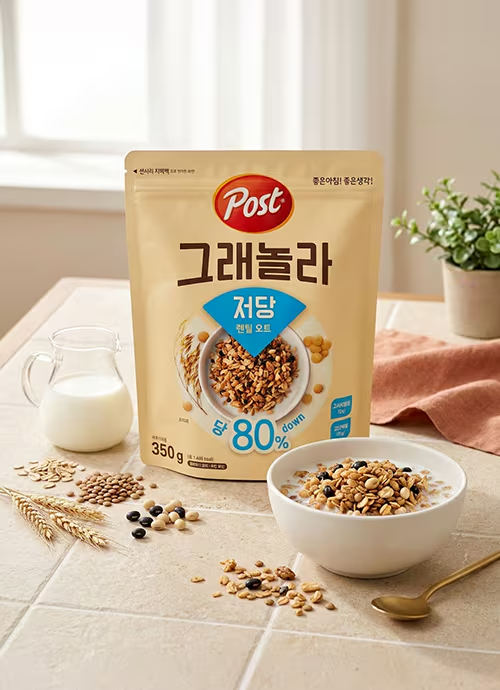
© Post Granola Low-Sugar Lentil Oat
South Korea’s food and beverage industry is undergoing a significant transformation as consumers increasingly seek products that balance enjoyment with healthier lifestyles. Among the most notable changes is the rapid growth of low-sugar, reduced-sugar and sugar-free products, a trend that is reshaping categories ranging from beverages and bakery products to dairy, snacks and convenience foods.
Once primarily associated with diet drinks and zero-sugar beverages, sugar reduction has now become a wider movement across Korea’s food sector. Brands are reformulating existing products and developing new concepts to meet changing consumer expectations around wellness, nutrition and everyday eating habits.
The shift reflects a broader change in how Korean consumers define premium food choices: not only through taste and quality, but also through perceived health benefits and functional value.
From Sugar Reduction to “Better-For-You” Consumption
The rise of low-sugar products in Korea is part of a wider global movement towards healthier consumption patterns. However, the Korean market has developed its own distinctive characteristics, with consumers often seeking products that combine health benefits with convenience and enjoyable taste.
Rather than completely avoiding indulgent foods, many consumers are adopting a more balanced approach. This has contributed to the growth of the “healthy indulgence” trend, where products are reformulated to reduce sugar while maintaining the pleasure associated with traditional favourites.
This approach has been particularly successful among younger consumers, who are increasingly interested in wellness, fitness and ingredient transparency, while still expecting products to deliver on flavour and experience.
Low-Sugar Innovation Expands Beyond Beverages
The earliest success of sugar reduction in Korea was largely driven by beverages, including zero-sugar soft drinks and functional drinks. However, innovation has now expanded into a much wider range of categories.
Bakery products, dairy items, snacks, protein products and ready-to-eat foods are increasingly incorporating reduced-sugar formulations as manufacturers respond to changing consumer preferences.
In the bakery sector, brands are introducing lower-sugar versions of cakes, breads and desserts, allowing consumers to enjoy familiar products with a lighter nutritional profile.
Traditional Korean ingredients and food concepts are also being adapted for modern wellness-focused lifestyles. Products such as misugaru, a roasted grain powder traditionally consumed as a nutritious drink, are being repositioned through new formulations and functional positioning.
Technology Enables New Product Development
Reducing sugar while maintaining taste remains one of the biggest challenges for food manufacturers.
Sugar contributes not only sweetness, but also texture, moisture, colour and overall product structure. As a result, successful reformulation requires a combination of food science, ingredient innovation and consumer understanding.
Manufacturers are increasingly exploring alternative sweeteners, natural flavour solutions and ingredient technologies that allow brands to reduce sugar content without compromising the eating experience.
This has created new opportunities for ingredient innovation, particularly in areas such as natural sweetening solutions, functional ingredients, fibre-based formulations and nutritional enhancement.
Convenience Meets Health Awareness
Korea’s fast-paced lifestyle has also influenced the development of healthier convenience foods.
Busy consumers increasingly seek products that are quick and practical while aligning with personal health goals. This has encouraged manufacturers to introduce lower-sugar options across categories such as instant foods, protein snacks and ready-to-eat meals.
The growth of convenience stores as important food retail channels has further accelerated this trend, allowing consumers to access a wider range of health-oriented products during everyday shopping occasions.
A Market Driven by Long-Term Lifestyle Changes
The low-sugar movement in Korea appears to be part of a broader structural change rather than a short-term trend.
Several factors are supporting continued demand, including increasing health awareness, interest in preventative nutrition, changing lifestyles and concerns related to long-term wellbeing.
Korea’s ageing population is also contributing to greater interest in products associated with healthier living, while younger consumers are driving demand for products that align with fitness, wellness and lifestyle goals.
As a result, sugar reduction is becoming an increasingly important consideration for food manufacturers across multiple categories.
The Challenge: Balancing Health, Taste and Value
Despite strong consumer interest, success in the low-sugar market is not guaranteed.
Korean consumers remain highly sensitive to taste, quality and value for money. Products that focus only on reduced sugar without delivering an enjoyable experience may struggle to achieve long-term acceptance.
The most successful brands are those that balance nutritional improvements with excellent flavour, attractive branding and competitive pricing.
Health benefits alone are not enough; consumers expect products that fit naturally into their daily lives.
The Future of Low-Sugar Food Innovation in Korea
South Korea’s low-sugar movement reflects a broader evolution in food culture, where consumers are becoming increasingly thoughtful about what they eat while continuing to value enjoyment and convenience.
From bakery and dairy to snacks and functional foods, sugar reduction is creating new opportunities for product innovation and market differentiation.
As Korean consumers continue to seek food products that support healthier lifestyles without sacrificing taste, low-sugar innovation is likely to remain one of the most important developments shaping the country’s food and beverage industry.
We work with European suppliers of high-quality ingredients, heritage food and beverage brands, and innovative nutritional solutions. If you would like to explore opportunities to introduce your products to markets across Asia, please get in touch with us via the Contact Us page.