
South Korea’s Probiotic Food Market Continues to Build on Its Fermentation Heritage
17th April 2026 | Korea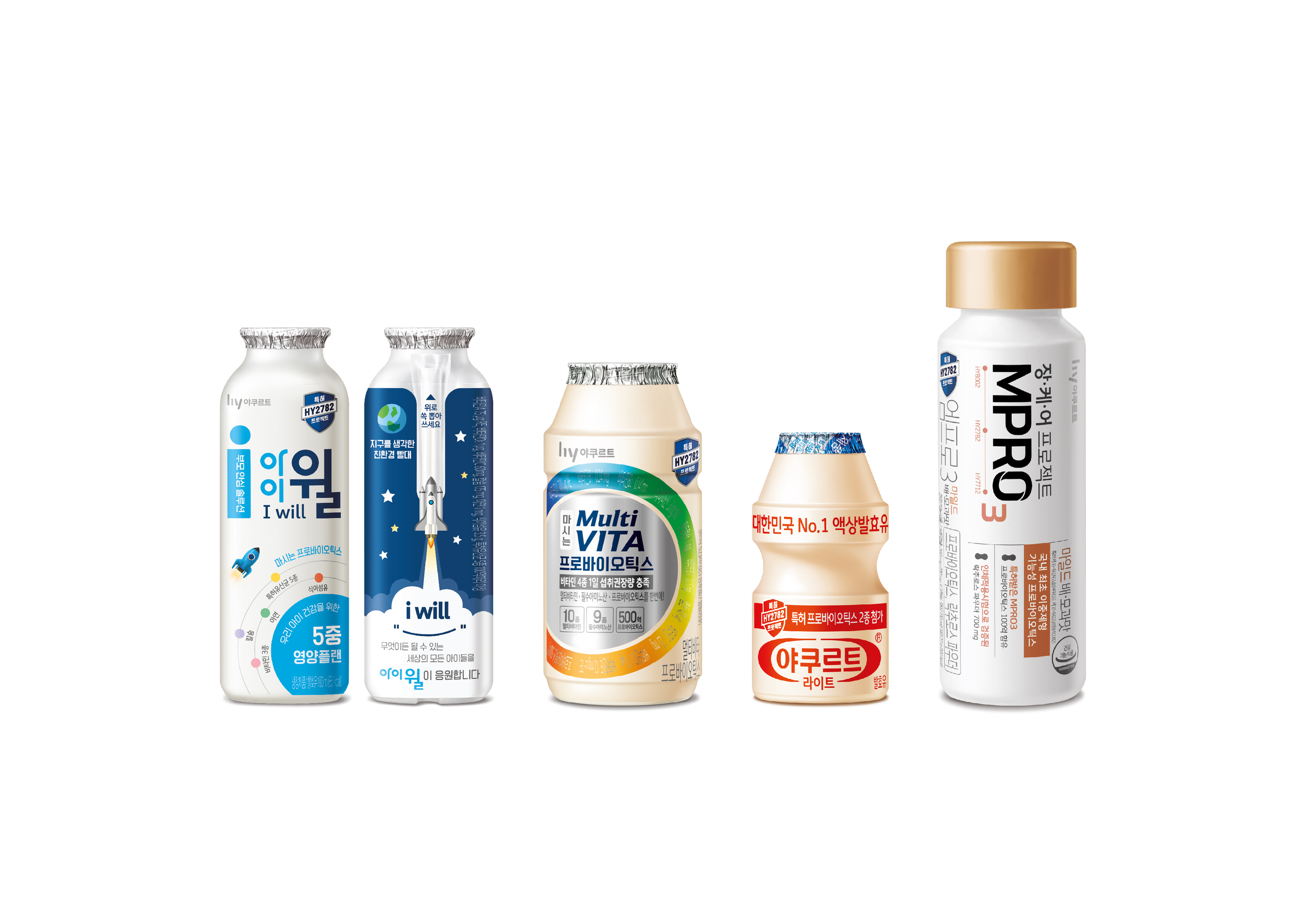
© Views of fermented milk items, produced by hy.
South Korea's probiotic food sector continued to strengthen throughout the first half of 2026, supported by growing consumer interest in digestive health, immunity and preventive nutrition. While fermented foods have long been part of everyday Korean diets, the market is evolving beyond traditional staples as consumers increasingly seek functional foods that combine proven health benefits with convenience and innovation.
The country's long-standing fermentation culture provides a strong foundation for continued growth. Foods such as kimchi, doenjang, gochujang and fermented soy products have familiarised generations of consumers with fermented ingredients, creating an environment where probiotic products are widely understood and readily accepted.
Today, this heritage is influencing a new generation of functional food and beverage innovation.
Functional Foods Continue to Gain Momentum
Health-conscious consumers are increasingly looking beyond basic nutrition, choosing foods and beverages that support digestive wellness, immune function and overall wellbeing.
This shift has encouraged continued growth across multiple probiotic categories, including drinking yoghurts, fermented dairy products, kombucha, cultured beverages and functional fermented foods. Manufacturers are also expanding product ranges to include formulations tailored to different lifestyles, age groups and nutritional needs.
Rather than viewing probiotics as a niche health product, many Korean consumers now see them as part of their daily dietary routine.
Innovation Is Expanding Beyond Traditional Dairy
Although probiotic yoghurt remains one of the largest categories within the market, manufacturers are increasingly diversifying their product portfolios.
Growing consumer interest in plant-based nutrition, clean-label ingredients and dietary flexibility has encouraged investment in dairy-free probiotic beverages, fermented oat and soy products, and other non-dairy alternatives.
At the same time, advances in fermentation technology and multi-strain probiotic formulations are enabling companies to develop products with increasingly targeted health positioning while responding to evolving consumer expectations around quality and efficacy.
Consumers Are Taking a Broader Approach to Gut Health
The Korean market is also reflecting a broader understanding of the relationship between gut health and overall wellbeing.
Alongside functional foods, probiotic supplements continue to gain popularity as consumers combine capsules, powders and functional beverages to support digestive health, immunity and everyday wellness. This complementary approach highlights a growing preference for preventive nutrition rather than reactive healthcare.
As scientific research into the gut microbiome continues to evolve, consumer awareness is expected to strengthen further.
Digital Retail Is Broadening Consumer Choice
Online retail has become an increasingly important channel for functional food brands in South Korea.
E-commerce platforms provide consumers with access to a wider range of domestic and international probiotic products, while allowing emerging premium brands to reach customers beyond traditional supermarket and convenience store networks.
The expansion of digital commerce has also accelerated consumer discovery of specialist products, particularly those focused on premium ingredients, clean-label formulations and innovative health concepts.
Looking Ahead
South Korea remains one of Asia's most sophisticated functional food markets, combining a deep cultural appreciation for fermented foods with a strong appetite for innovation.
As consumers continue to prioritise digestive health, immune support and preventative wellbeing, probiotics are expected to remain a key area of product development across both food and beverage categories.
For international food producers, South Korea represents a market where scientific innovation, ingredient quality and authentic product stories are increasingly valued alongside convenience and taste. The continued evolution of the probiotic sector illustrates how traditional food culture and modern nutrition can successfully converge to create new opportunities across the wider food and beverage industry.
We work with European suppliers of high-quality ingredients, heritage food and beverage brands, and innovative nutritional solutions. If you would like to explore opportunities to introduce your products to markets across Asia, please get in touch with us via the Contact Us page.