
Korea's Beverage Market Embraces the 'Healthy Pleasure' Movement
11th March 2026 | Korea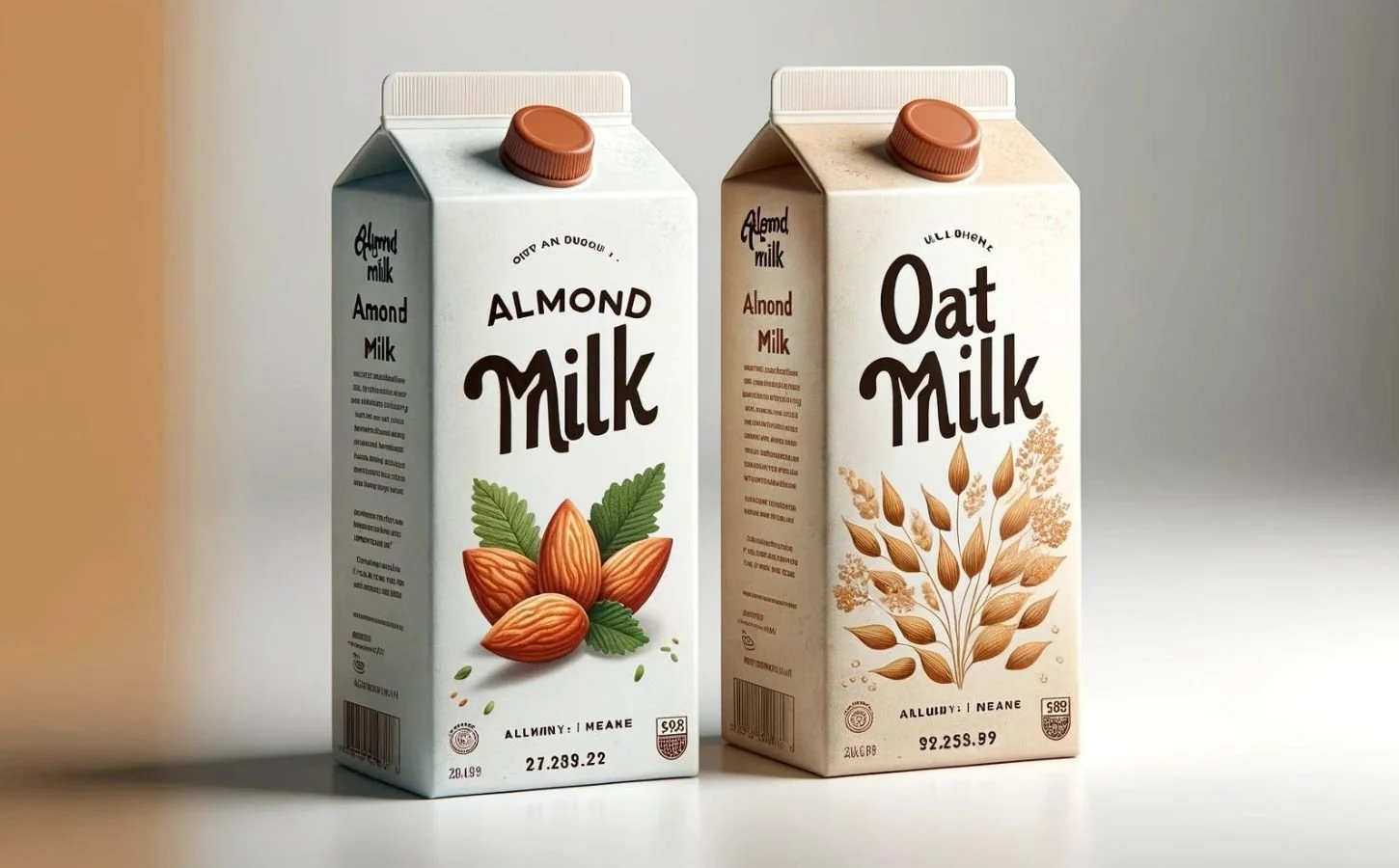
Plant-based milk
South Korea's beverage market is undergoing a gradual but significant transformation as changing consumer priorities reshape demand across multiple categories. While coffee, carbonated drinks and traditional refreshments remain deeply embedded in everyday life, younger consumers are increasingly seeking beverages that combine enjoyment with perceived health benefits.
The trend, widely referred to in Korea as healthy pleasure (헬시플레저), reflects a growing desire to make healthier choices without sacrificing flavour, convenience or the enjoyment associated with food and drink. Rather than viewing wellness and indulgence as opposing concepts, consumers are increasingly expecting products to deliver both.
A More Conscious Approach to Everyday Choices
Health has become an increasingly important consideration in purchasing decisions, particularly among consumers in their 20s and 30s. Interest in reducing sugar consumption, moderating caffeine intake and choosing products with functional ingredients has contributed to growing demand for beverages positioned around balance rather than restriction.
Instead of eliminating familiar drinks altogether, many consumers are making incremental changes to their daily routines. Zero-sugar soft drinks, reduced-sugar beverages and decaffeinated coffee are becoming more common choices alongside traditional favourites.
These small adjustments reflect a broader shift towards mindful consumption, where everyday purchasing decisions are increasingly influenced by long-term wellbeing.
Coffee Culture Continues to Evolve
Coffee remains one of South Korea's most popular beverages, supported by one of the world's most dynamic café cultures. Rather than signalling a decline in coffee consumption, recent trends point to greater diversification within the category.
Demand for decaffeinated coffee has grown as consumers seek greater flexibility throughout the day, allowing them to enjoy coffee without increasing their caffeine intake. Cafés and coffee brands have responded by expanding their decaffeinated offerings and improving quality, helping to reduce the perception that choosing decaffeinated coffee requires compromising on flavour.
The result is a market where greater choice, rather than substitution, is driving growth.
Functional Beverages Move into the Mainstream
Functional beverages are also becoming an increasingly important part of Korea's beverage landscape.
Products containing probiotics, protein, vitamins, collagen and fermented ingredients are attracting consumers looking for drinks that align with active and health-conscious lifestyles. Kombucha, plant-based beverages and drinks formulated to support hydration or wellbeing have expanded beyond specialist retailers into supermarkets, cafés and convenience stores.
As consumers become more familiar with functional ingredients, these products are increasingly viewed as everyday options rather than niche health products.
Retailers Respond to Changing Consumer Demand
Retailers and beverage manufacturers have adapted quickly to evolving consumer preferences.
Convenience stores have expanded their ranges of zero-sugar drinks, functional beverages and premium teas, while cafés continue to diversify menus with decaffeinated coffee, herbal infusions and plant-based alternatives. Beverage manufacturers are also investing in product innovation, developing new formulations that combine reduced sugar with flavour, convenience and functional benefits.
Competition is no longer centred solely on taste or price. Increasingly, brands are differentiating themselves through ingredient quality, nutritional positioning and lifestyle relevance.
Social Media Shapes Beverage Trends
Digital platforms continue to play an important role in influencing consumer behaviour across South Korea's food and beverage sector.
Health-focused creators, nutrition content and lifestyle influencers have helped increase awareness of sugar intake, caffeine consumption and functional ingredients. Consumers are increasingly researching products before purchase and sharing recommendations online, accelerating the adoption of emerging beverage trends.
For brands, this has increased the importance of transparency, ingredient storytelling and clear product positioning.
The Future of Korea's Beverage Market
South Korea's beverage market illustrates how consumer expectations continue to evolve.
Rather than abandoning enjoyment in favour of health, many consumers are seeking products that successfully combine both. The continued growth of zero-sugar drinks, premium teas, functional beverages and high-quality decaffeinated coffee suggests that balance is becoming a defining characteristic of the market.
As innovation continues, the most successful beverage brands are likely to be those that combine excellent taste with quality ingredients, clear health positioning and an authentic understanding of changing consumer lifestyles.
We work with European suppliers of high-quality ingredients, heritage food and beverage brands, and innovative nutritional solutions. If you would like to explore opportunities to introduce your products to markets across Asia, please get in touch with us via the Contact Us page.