
BTS's ARIRANG Comeback Turned Seoul into a Global Food, Culture and Tourism Destination
19th March 2026 | Korea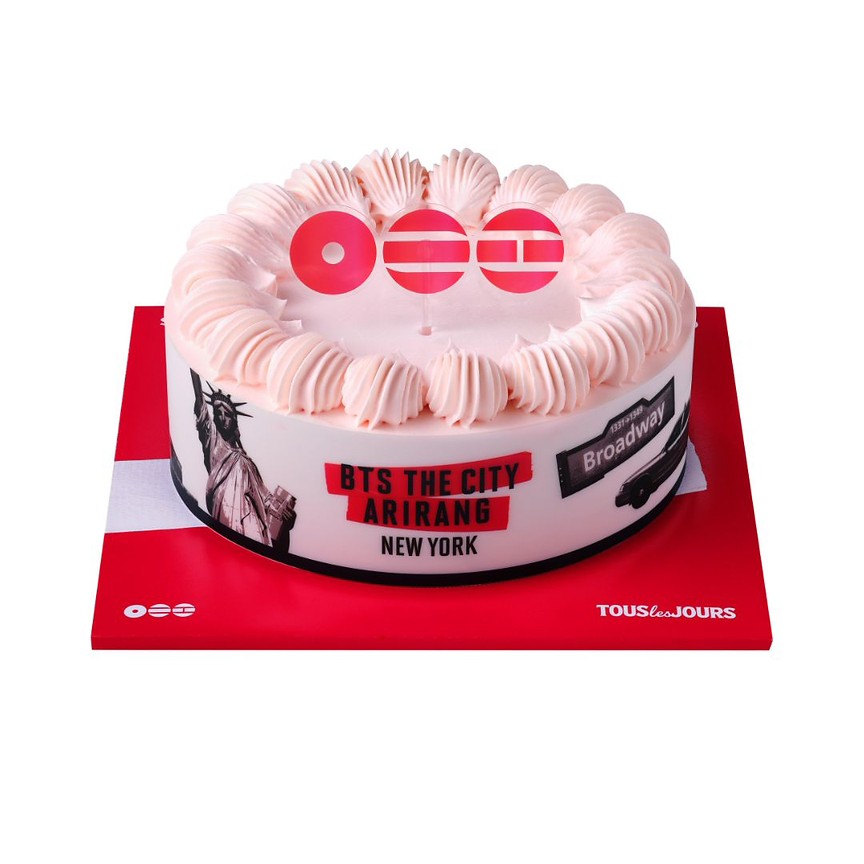
© Tous Les Jours
When BTS returned as a full group in March 2026, the comeback was more than one of the biggest moments in K-pop history. It became a demonstration of how entertainment can reshape an entire city's economy, extending its influence far beyond music into hospitality, tourism, retail and food and beverage.
The release of the group's fifth studio album, ARIRANG, on 20 March marked BTS's first full-group release since all seven members completed their mandatory military service. The following evening, a free comeback concert at Seoul's Gwanghwamun Square welcomed fans from around the world while reaching millions more through a global livestream. Rather than limiting the celebrations to a single performance, Seoul itself became part of the experience through HYBE's city-wide THE CITY ARIRANG programme.
A Comeback That Extended Beyond the Concert Stage
Unlike a conventional album launch, ARIRANG transformed Seoul into an immersive cultural destination.
Landmarks across the capital hosted themed installations, media displays and fan experiences, while businesses throughout the city embraced the influx of international visitors. Hotels, cafés, restaurants and retailers responded with limited-time promotions, exclusive menus, themed merchandise and curated visitor experiences, demonstrating how entertainment can stimulate multiple sectors simultaneously.
The result was a city-wide celebration in which music became the catalyst for tourism, hospitality and consumer spending.
Food and Beverage Became Part of the Story
One of the most notable aspects of the comeback was the prominent role played by food and beverage.
Rather than acting as a supporting service for concertgoers, cafés, bakeries and restaurants became destinations in their own right. Limited-edition drinks, desserts and seasonal menus encouraged visitors to explore different neighbourhoods while extending their engagement with the comeback beyond the concert itself.
This reflects a broader evolution within Korea's food and beverage sector, where dining experiences increasingly intersect with popular culture, travel and lifestyle. Consumers are no longer simply purchasing food; they are participating in an experience connected to a wider cultural moment.
Experience-Led Consumption Continues to Shape Korea's Hospitality Market
The success of the ARIRANG comeback highlights the growing importance of experience-led consumption within South Korea.
Limited-time offerings, exclusive collaborations and immersive brand experiences encourage consumers to engage emotionally while creating a sense of urgency that traditional marketing rarely achieves. Food and beverage businesses have become particularly adept at translating cultural events into memorable dining experiences, allowing customers to participate in an occasion rather than simply observe it.
For visitors, these experiences become part of the journey. A café visit, a themed dessert or a limited-edition beverage becomes another way of connecting with Korean culture and taking part in a globally recognised event.
A Blueprint for Cultural Tourism
South Korea has increasingly demonstrated how entertainment can act as a catalyst for wider economic activity.
Rather than confining major cultural events to concert venues, large-scale activations increasingly extend into hotels, restaurants, retail districts and public spaces, encouraging visitors to spend more time exploring the city. This integrated approach strengthens tourism while creating opportunities for businesses of every size to participate in high-profile cultural moments.
The ARIRANG comeback illustrates how collaboration between entertainment, hospitality and food and beverage can transform a single event into a destination experience with benefits extending well beyond the music industry.
More Than a Comeback
BTS's return marked the beginning of a new chapter for one of Korea's most influential cultural exports, but it also reinforced South Korea's position as a global leader in experience-driven tourism.
As consumer expectations continue to evolve, the country's hospitality and food and beverage sectors are demonstrating that memorable experiences are created not only through world-class entertainment, but also through the places people visit, the meals they share and the local businesses that become part of the journey.
In today's visitor economy, a successful cultural event is no longer measured solely by ticket sales or streaming figures. Its impact is increasingly reflected across cafés, restaurants, hotels and neighbourhoods, where food, culture and tourism come together to create experiences that continue long after the final performance.
We work with European suppliers of high-quality ingredients, heritage food and beverage brands, and innovative nutritional solutions. If you would like to explore opportunities to introduce your products to markets across Asia, please get in touch with us via the Contact Us page.